11.05.2026
Ovarian Cancer Awareness: Alithea Bio’s Commitment on WOCD 2026
11.05.2026
Ovarian cancer is one of the most underdiscussed and under-detected cancers in women’s health today — and on World Ovarian Cancer Day 2026, Alithea Bio is committed to changing that. Only 1 in 5 women is diagnosed at an early stage. We believe precision medicine, multi-omic research, and global collaboration can turn that statistic around.
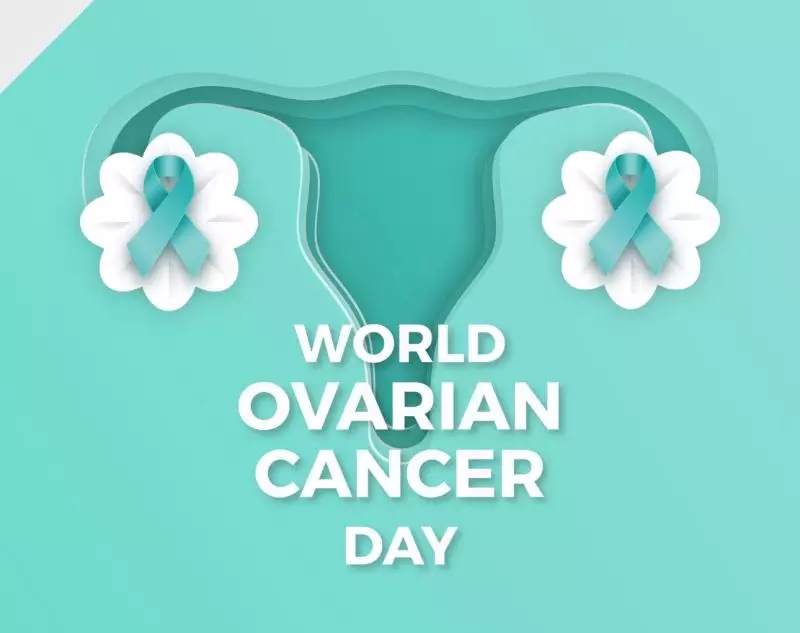
Every year on May 8th, the global oncology community unites to raise awareness of ovarian cancer — a disease that claims the lives of over 140,000 women worldwide each year. The 2026 theme, “No Woman Left Behind”, is a call to action for health systems, researchers, and advocates everywhere: no woman’s symptoms should be dismissed, no woman should face unnecessary delays in diagnosis, and no woman should be denied quality care because of where she lives.
At Alithea Bio, we stand in solidarity with the millions of women, families, and healthcare providers affected by this “silent” disease. Today, and every day, we are dedicated to advancing the science that can change what an ovarian cancer diagnosis means.
Ovarian cancer remains one of the most challenging diagnoses in oncology — not because it is rare, but because its symptoms are easily mistaken for common digestive or urinary issues. Persistent bloating, pelvic pain, feeling full quickly, and urinary urgency are all warning signs that are regularly dismissed or misattributed.
The consequences of this diagnostic gap are severe. Only approximately 20% of women receive an early-stage diagnosis — when survival rates are significantly higher. By the time most cases are confirmed, the disease has already progressed to an advanced stage. Unlike cervical cancer, there is currently no reliable routine screening test for ovarian cancer in average-risk women. A Pap smear does not detect ovarian cancer. Education on symptoms remains, as Alithea Bio’s team stresses, our first line of defense.
| Statistic | Figure |
|---|---|
| Women diagnosed globally each year | ~250,000 |
| Deaths from ovarian cancer annually | ~140,000 |
| Women diagnosed at an early stage | Only 20% |
| Five-year survival rate | ~45% |
| Projected increase in diagnoses by 2040 | +42% (GLOBOCAN 2020) |
| WOCD 2026 theme | No Woman Left Behind |
Alithea Bio’s work sits at the intersection of HLA immunopeptidomics, multi-omic data integration, and AI-powered analytics — capabilities with direct relevance to the unmet needs in ovarian cancer research. Here is how we are contributing:
One of the most urgent gaps in ovarian cancer is the absence of validated early-detection biomarkers. Alithea Bio’s biomarker discovery platform uses high-sensitivity mass spectrometry and immunopeptidomics to identify HLA-presented peptides in tumour and healthy tissue samples. This approach has the potential to surface ovarian cancer-specific molecular signatures that could inform next-generation diagnostics — identifying the disease before symptoms become undeniable.
Alithea Bio is committed to partnering with researchers globally, providing access to high-quality clinical samples and data insights through the Biorepository and HLA-Compass platform. For ovarian cancer specifically, the ability to compare HLA peptide presentation across tumour tissue, healthy tissue, and cancer cell lines — at scale — is essential for identifying and validating novel targets.
T-cell receptor (TCR) therapies and personalised cancer vaccines represent a transformative new frontier for ovarian cancer treatment. Alithea Bio’s neoantigen discovery pipeline, NeoZOOM, and off-target safety tools are directly applicable to ovarian cancer programmes — enabling research teams to identify tumour-specific targets, validate their presentation in patient tissue, and de-risk therapeutic candidates before clinical development.
Ovarian cancer is biologically heterogeneous. No single data layer — genomics, transcriptomics, or proteomics alone — is sufficient to capture its complexity. Alithea Bio’s integrated approach combining proteogenomics, immunopeptidomics, and bioinformatics is designed to meet this challenge — turning multi-omic data into actionable insights for researchers working on ovarian cancer diagnostics and therapies.
Education is the first line of defense. The following symptoms, when persistent, new, or unusual for your body, should prompt a conversation with a healthcare provider:
These symptoms are not unique to ovarian cancer — but when they are persistent, frequent, and new, they deserve medical attention. Early action saves lives.
Ovarian cancer begins when abnormal cells in or near the ovaries grow in an uncontrolled way. Epithelial ovarian cancer is the most common type, accounting for the majority of diagnoses. If not detected and treated early, cancer cells can spread to other parts of the body.
Ovarian cancer is called “silent” because its early symptoms — bloating, pelvic pain, urinary urgency — are vague and easily mistaken for common digestive or urinary conditions. This means many women are not diagnosed until the cancer has reached an advanced stage.
No. A Pap smear is designed to detect cervical cancer, not ovarian cancer. There is currently no reliable routine screening test for ovarian cancer in average-risk women. Diagnosis typically involves a combination of CA-125 blood tests, ultrasound, imaging, physical examination, and tissue biopsy.
World Ovarian Cancer Day is observed every year on May 8th. First launched in 2013, it brings together over 200 organisations across more than 80% of countries worldwide to raise awareness, improve early detection, and advocate for better care and research funding. The 2026 theme is No Woman Left Behind.
Alithea Bio contributes through HLA immunopeptidomics-based biomarker discovery, multi-omic data integration, and AI-powered analytics via the HLA-Compass platform. The company partners with global researchers to provide high-quality clinical samples and data insights to accelerate next-generation ovarian cancer diagnostics and therapies.
Alithea Bio is actively seeking collaboration with researchers, clinicians, and organisations working to close the gap in women’s health and ovarian cancer outcomes. Whether you are developing novel diagnostics, validating therapeutic targets, or building multi-omic research programmes, our platform and team are ready to support your work.
From identifying novel biomarkers to validating life-saving treatments, our mission is to ensure that a treatment today looks very different tomorrow. No woman left behind.
Related reading: Biomarker Discovery | Neoantigens | Biorepository | Immunopeptidomics Technology | Proteogenomics